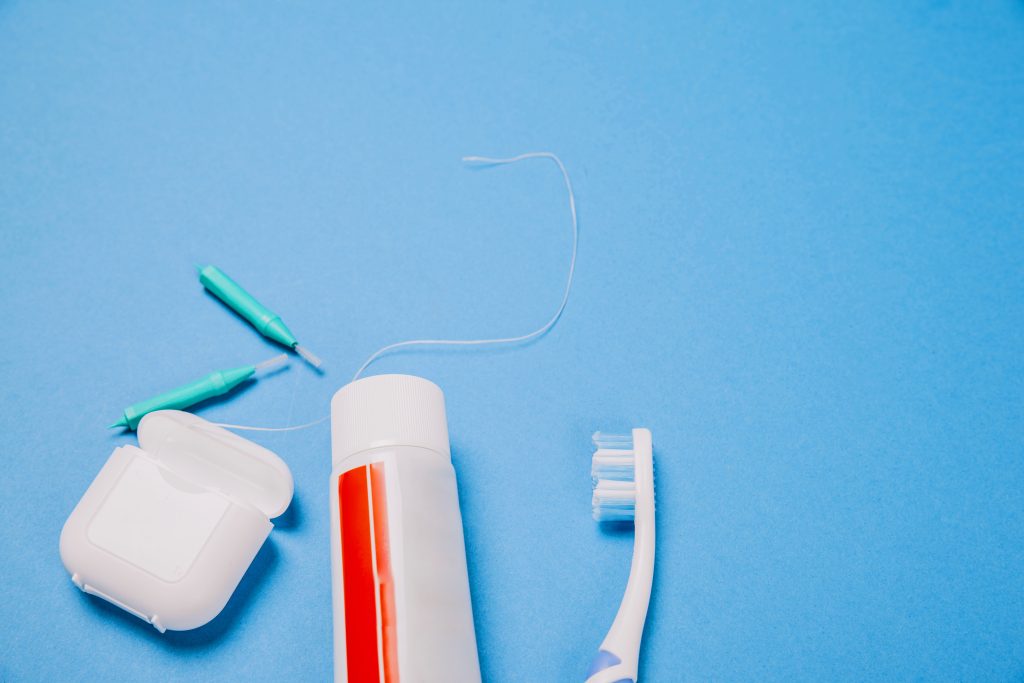
Taking care of your oral hygiene isn’t just about a stunning smile—it’s essential for your overall health and confidence. If you’ve ever wondered how some people always seem to have perfect teeth, it’s not just genetics. Consistent, simple routines make the biggest difference.
In this ultimate guide, we’ll break down the most important oral hygiene practices, from brushing and flossing to interdental brushes and mouthwash. Ready for a healthier mouth and brighter smile? Let’s dive in!
Why Oral Hygiene Matters More Than You Think
Good oral hygiene isn’t just about looking good—it helps protect your whole body. Did you know that poor oral hygiene has been linked to conditions like heart disease, diabetes, and even respiratory infections?
According to the CDC, tooth decay and gum disease are among the most common health issues globally. Luckily, prevention is straightforward and takes only minutes a day.
Essential Oral Hygiene Practices You Should Follow
Brushing Your Teeth The Right Way
Brushing regularly is the backbone of good oral care. Yet, many people don’t brush effectively.

Here’s how to do it properly:
- Use a soft-bristled toothbrush to gently clean your teeth without harming your gums.
- Brush with fluoride toothpaste, strengthening enamel and reducing cavities.
- Brush at a 45-degree angle towards your gums using gentle circular motions for about two minutes, twice daily.
Friendly tip: Replace your toothbrush every 3–4 months—or sooner if the bristles fray or you’ve recently been sick.
Flossing Isn’t Optional—It’s Essential!
While brushing covers most surfaces of your teeth, flossing cleans where the brush can’t—between teeth and below the gumline.

Proper flossing technique:
- Wrap about 18 inches of floss around your fingers, leaving a small area to work with.
- Slide the floss gently between your teeth, curving around each tooth to remove plaque.
- Take your time to avoid irritating your gums.
Friendly tip: If traditional flossing feels tricky, floss picks or water flossers are excellent alternatives.
Interdental Brushes – Your New Oral Care Best Friend
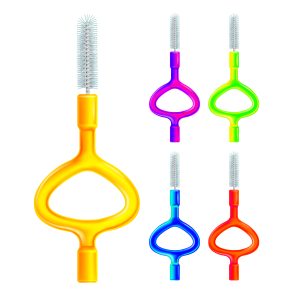
Have you heard about interdental brushes? They’re small, easy-to-use brushes specifically designed to clean spaces between teeth. They’re particularly helpful if you have larger gaps or braces.
How to use interdental brushes?
- Gently insert the brush between your teeth—don’t force it!
- Move the brush back and forth to remove plaque and food debris.
- Rinse after use and replace it when the bristles wear down.
Friendly tip: Ask your dentist which size is best for you—they come in various sizes, and the right fit Here’s a friendly tip: Check with your dentist about which size is best for you—there are different sizes available, and finding the right one makes cleaning easier and more comfy. When you’re brushing, you should feel a bit of resistance, which means you’ve got the right size brush.
Mouthwash is a helpful extra step
Mouthwash complements brushing and flossing, helping freshen breath, reducing plaque, and preventing gum disease.
Choosing the right mouthwash:
- Antibacterial mouthwashes fight germs and reduce plaque.
- Fluoride mouthwashes help protect against tooth decay.
- Alcohol-free mouthwashes are gentle, preventing dryness in sensitive mouths.
Recommendation: Utilize mouthwash following brushing and flossing, and abstain from consuming food or beverages for a minimum of 30 minutes thereafter to achieve optimal results.
More Easy Tips for Healthy Teeth and Gums
Here are a few bonus tips that can significantly improve your oral hygiene:
- Limit sugary and acidic foods – sugary snacks and sodas contribute heavily to tooth decay.
- Drink plenty of water – staying hydrated washes away food particles and bacteria.
- Quit tobacco – smoking or chewing tobacco significantly increases your risk of gum disease, tooth discoloration, and oral cancer.
- Regular dentist visits – aim to see your dentist at least twice a year for professional cleaning and routine check-ups.
Common Mistakes to Avoid for Better Oral Hygiene

Even with the best intentions, common mistakes can unintentionally sabotage your oral hygiene efforts. Being aware of these pitfalls can help you maintain excellent dental health:
- Aggressive Brushing
While it might seem that brushing harder cleans your teeth better, aggressive brushing can actually cause more harm than good. Using too much force or a hard-bristled toothbrush can irritate and damage your gums, leading to recession and sensitivity. Over time, vigorous brushing can also wear down your tooth enamel, increasing the risk of cavities and sensitivity. To prevent this, always brush gently using a soft-bristled toothbrush and take your time—it’s about technique, not force.
- Skipping Tongue Cleaning
Many people overlook tongue cleaning as part of their oral hygiene routine, yet it’s essential for fresh breath and overall oral health. Your tongue harbors bacteria, food particles, and dead cells, all of which contribute significantly to bad breath and can encourage plaque formation. Incorporating a gentle tongue brushing or using a tongue scraper each time you brush your teeth significantly reduces bacteria and helps maintain fresh breath throughout the day.
- Missing Regular Dental Check-ups
It’s easy to underestimate the importance of routine dental visits, especially if you’re not experiencing noticeable dental problems. However, regular dental check-ups are crucial because dentists can identify and treat issues early—often before symptoms even appear. Preventive care helps you avoid painful and costly treatments in the future, and professional cleanings remove plaque and tartar buildup that brushing and flossing alone can’t handle. Make it a habit to visit your dentist every six months, or as recommended, to keep your teeth and gums healthy.
Your Path to Healthy Teeth and Gums
Taking care of your oral health isn’t complicated—it just takes consistency. By adopting these simple habits—brushing properly, flossing daily, using interdental brushes, mouthwash, and keeping regular dental appointments—you’ll set yourself up for lifelong healthy teeth and gums.
Make these steps part of your daily routine, and you’ll enjoy the confidence of a beautiful, healthy smile.