

If you’ve ever experienced a sudden, sharp pain in your teeth when sipping a cold drink or biting into your favorite ice cream, you’re not alone. Tooth sensitivity, known medically as dentin hypersensitivity, is a common dental issue affecting millions worldwide. In fact, research suggests around 25–30% of people experience this uncomfortable sensation regularly.
Thankfully, understanding why tooth sensitivity happens, what triggers it, and how to manage it can help restore comfort to your daily life.
What Exactly Is Tooth Sensitivity?
Tooth sensitivity refers to the brief but sharp pain or discomfort felt when your teeth encounter certain stimuli like cold, hot, sweet, or acidic foods and drinks—or even breathing in cold air. Unlike chronic tooth pain, sensitivity typically doesn’t linger, but it can significantly affect your quality of life, making simple pleasures less enjoyable.
Why Do Teeth Become Sensitive?
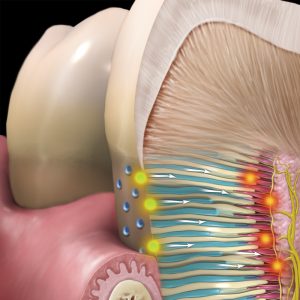
The main culprit behind tooth sensitivity is the exposure of dentin—the layer beneath your tooth’s enamel and gum line. Dentin contains thousands of microscopic channels called dentinal tubules, filled with fluid. When the protective enamel or gums wear away due to erosion or gum recession, these tiny tubules become exposed. External stimuli cause fluid movement inside these tubules, triggering nerve endings deep within your tooth, resulting in sharp pain (American Dental Association).
Common Triggers of Tooth Sensitivity

Knowing what triggers your tooth sensitivity can help you manage and even prevent pain. Here are some common triggers:
- Hot or Cold Foods and Drinks
Sipping hot coffee or biting into an ice-cold popsicle can cause immediate, sharp discomfort. - Sweet or Acidic Foods
Eating sugary sweets or acidic fruits like oranges and lemons can provoke tooth sensitivity by stimulating exposed dentinal tubules. - Brushing Too Hard
Aggressive brushing or using a toothbrush with hard bristles may wear down your enamel, increasing sensitivity. - Dental Procedures or Tools
Sometimes, sensitivity can be triggered by dental cleanings or dental instruments contacting exposed areas.
How to Effectively Manage and Reduce Tooth Sensitivity
Managing tooth sensitivity involves both preventive habits and professional dental treatments. Here’s what you can do to regain comfort and protect your teeth:
Preventive Measures You Can Do at Home
- Brush Gently
Use a soft-bristled toothbrush with gentle strokes to protect your enamel and gums from wear. - Use Toothpaste for Sensitive Teeth
Specialized toothpastes, often containing potassium nitrate or strontium chloride, help reduce sensitivity by blocking nerve signals or sealing exposed tubules. - Limit Acidic Foods and Drinks
Acidic beverages (like soda or citrus juices) can erode enamel. Try reducing intake and rinsing your mouth with water after consuming them. Alternatively, you can use a straw to reduce the contact of acidic drinks with your enamel. - Rinse Your Mouth After Eating
Swishing water after meals helps neutralize acids and wash away food particles that contribute to sensitivity. - Visit Your Dentist Regularly
Routine dental check-ups every six months help identify early signs of enamel erosion or gum recession, so you can act before sensitivity worsens.
Professional Treatments for Tooth Sensitivity
If preventive measures aren’t enough, your dentist can offer specialized treatments, such as:
- Desensitizing Toothpaste or Varnishes
Professional-grade fluoride treatments or varnishes help strengthen enamel and provide a protective barrier against sensitivity. - Dentin Sealers and Bonding Agents
Dentists can apply bonding agents to seal exposed dentinal tubules, reducing sensitivity immediately. - Laser Therapy
Emerging technologies like laser treatments can provide lasting relief by sealing tubules or calming nerve responses. - Restorative Dental Procedures
In cases of severe sensitivity or structural damage, fillings, crowns, or inlays can protect exposed dentin and restore comfort.
Enjoy Life Without Tooth Sensitivity
Tooth sensitivity, though common, doesn’t have to disrupt your daily enjoyment. By understanding what triggers sensitivity, adjusting your daily habits, and seeking professional care when needed, you can significantly reduce or even eliminate discomfort.
Remember, maintaining good oral hygiene practices, visiting your dentist regularly, and being mindful of diet can lead you back to a life where you freely enjoy your favorite foods without worry.